

The Brigade and the Bench

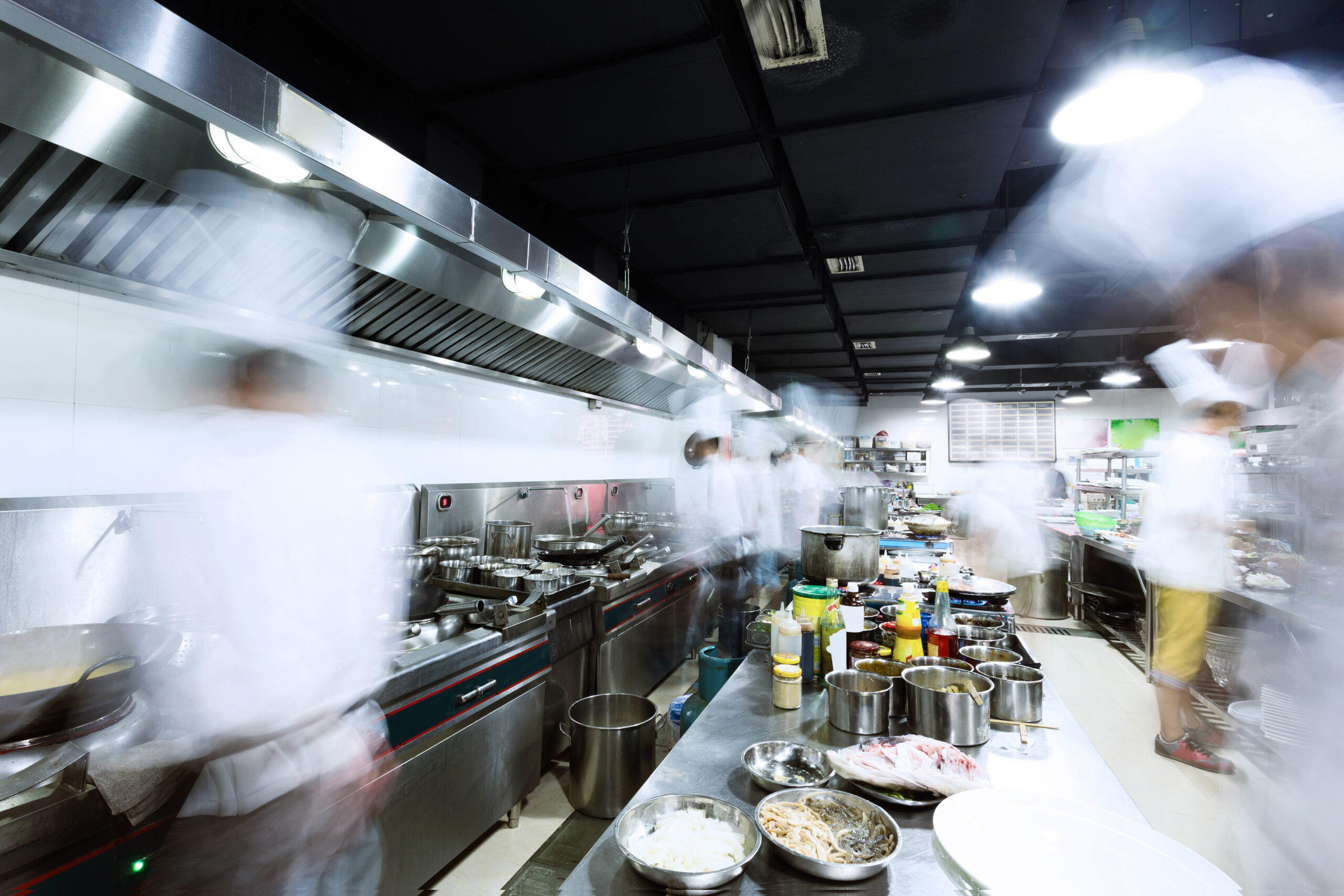
Every kitchen has its rhythm—the clang of pans, the hiss of steam, the shuffle of feet moving in sync without words. It looks like chaos from the outside. Inside, it’s order disguised as noise.
You learn to read it. The tempo of tickets printing. The way the sauté cook’s shoulders tighten when the board fills up. The silence that falls when someone drops a plate—not because anyone’s angry, but because everyone’s recalculating. How do we recover? Who’s covering? What’s the new timing?
Every movement has purpose, every position a pulse.
The Shape of the Line
It’s called the brigade. Not an army, but built on the same logic—clear roles, clear chains, no ambiguity when the pressure hits.
Stations form the backbone. Grill, sauté, garde manger, pastry, prep. Each one carries weight. You earn your place, and you hold it, because someone else is depending on you to. The guy on fish needs the guy on veg to time it right. The pastry cook needs the line to call desserts with enough warning. One station slips, the whole service feels it.
There’s comfort in that kind of structure. Not comfort like ease—comfort like knowing where you stand. Knowing what’s yours to protect. It’s how chaos stays contained.
The kitchen doesn’t care about your feelings. It cares about your station. Keep it clean, keep it stocked, keep it moving. Everything else is noise.
Rank on the Line
The titles matter, but not for the reasons people think.
A rank isn’t about ego—it’s about responsibility. Chef de partie, sous chef, executive chef. Each title tells you what you owe to the person beside you. The higher you climb, the more you carry. You’re not managing tasks anymore. You’re managing people who are tired, stressed, and one bad ticket away from falling behind.
Every good chef knows the job isn’t to command. It’s to conduct. Keep tempo. Listen for what’s off—the pan that’s too quiet, the station that’s gone dark, the cook who’s moving fast but not getting anywhere. Bring it back in tune before the night breaks apart.
There’s a moment in every service where you feel the edge of control. The heat banking off the flattop. The noise compressing until you can’t hear your own thoughts. Orders piling up faster than you can read them. That’s when the brigade shows its worth.
You trust the hands around you. You trust that they’ll do what needs to be done without question, without hesitation, without waiting to be told. It’s not obedience. It’s survival.
The discipline that looks harsh from outside? It’s belief. A demand for precision because someone knows you’re capable of it. The chef who pushes hardest is usually the one who sees what you could become—if you don’t break first.
The Prep Shift
Service gets the glory. Prep gets the work done.
The morning shift is different. Quieter. Slower. The frantic energy of dinner service replaced by the steady hum of repetition. This is where mise en place gets built—every container labelled, every protein portioned, every sauce reduced and ready.
It’s also where the teaching happens.
You watch someone break down a case of chickens, and in their hands you see decades of repetition distilled into grace. No wasted movement. Knife finds joint, joint gives way, pieces land in the tray like they were always meant to be there. Nobody explains it. You watch, you try, you get corrected. You try again.
Humour lives in prep. Sarcasm, teasing, the running jokes that dull the edge of exhaustion. Every jab hides a lesson. Every laugh keeps the fatigue from turning to resentment. It’s how the old guard tests the new ones—not to break them, but to see if they can bend without snapping.
The prep cook who can take a hit and keep dicing? They’ll make it. The one who sulks or argues? They won’t last the month.
This is where mentorship hides. In the small corrections. The shared look when something goes wrong and you both know why. The silent nod that says you’re starting to get it. Nobody calls it mentorship. That would make it soft. But it’s there, in every shift, passed down without ceremony.
The Real Hierarchy
In truth, the best kitchens aren’t run by fear or rank. They’re held together by loyalty.
You follow the chef not because you have to, but because they’ve earned it. They’ve burned beside you, cleaned with you, stayed late when they didn’t have to. They’ve taken the blame when things went wrong and pushed the credit down when things went right. That’s how authority is built in this world—through scars, not titles.
Every cook knows who they’d follow into a fire and who they wouldn’t. That’s the real hierarchy. It’s never spoken.
The chef who disappears when the board fills up? The sous who points fingers when tickets come back? The line sees it. The line remembers. You can’t hide on a line. You’re either there or you’re not.
The Pulse of the Room
When the last plate leaves the pass, something shifts.
The tension breaks. Laughter fills the cracks where stress had lived all night. Someone cracks a joke that would get you fired in any other workplace. Nobody flinches. The line becomes people again—tired, sweating, proud of what they just pushed through.
The breakdown begins. Stations wiped, equipment cleaned, walk-in restocked. The same tasks you’ll undo tomorrow when it starts again. There’s something meditative about it. The adrenaline fades. The noise changes. It’s lighter now.
You clock out smelling like garlic and fryer oil. Your feet ache. Your back’s tight. You tell yourself you’ll find something easier, something with weekends off and normal hours.
Tomorrow you’ll be back. Same clang, same hiss, same shuffle. Same rhythm disguised as chaos.
Because beneath the hierarchy and the humour, there’s one truth that never changes: the work is hard, the hours are long, and the pay rarely matches the effort. But the people beside you—the ones who’ve survived the same rushes, carried the same weight, earned the same scars—they’re the reason you stay.
The brigade endures.