

The Economics of Craft

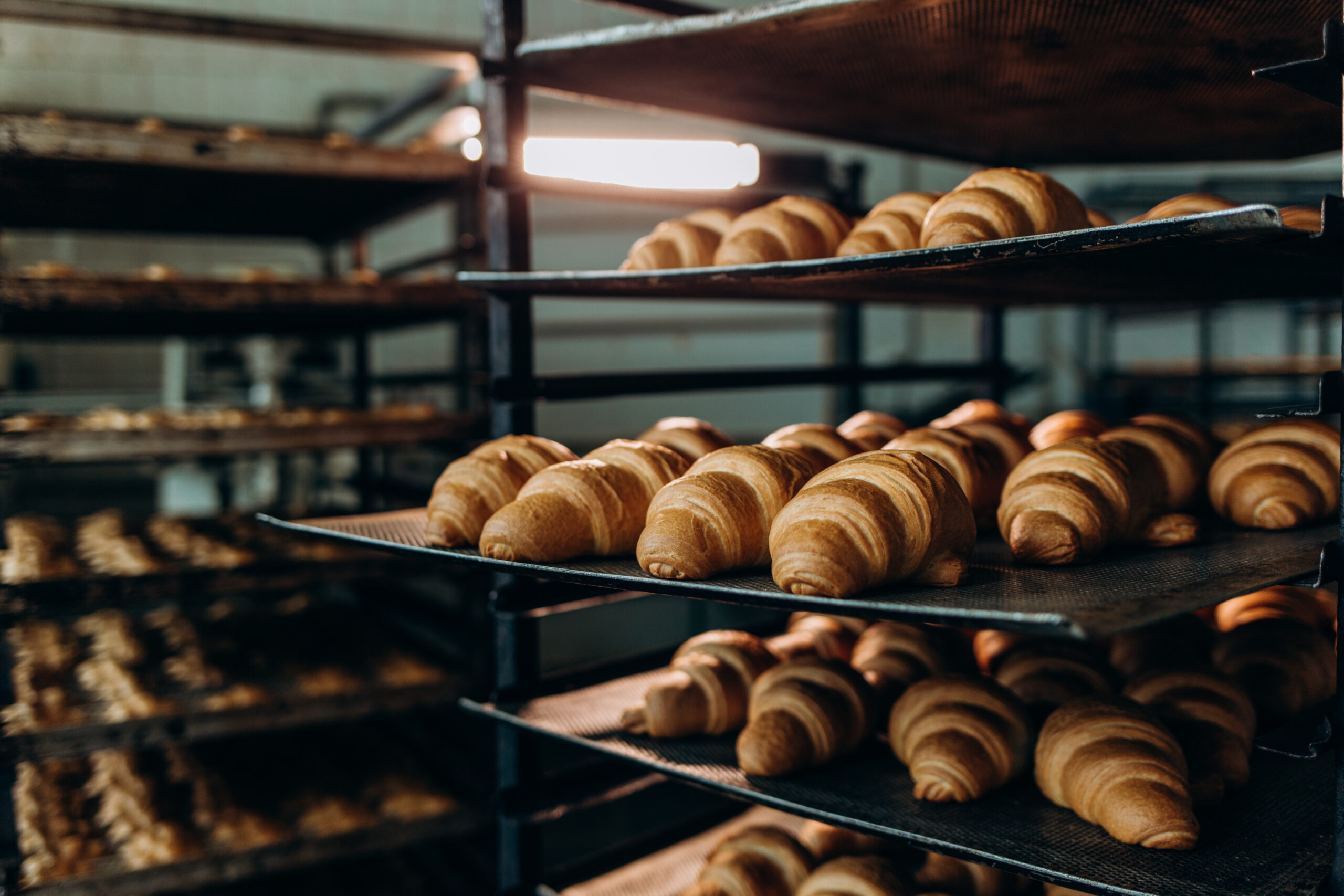
The croissants are ready at 6 a.m. They’ve been ready since 4:30, technically pulled from the oven, cooled just enough to handle, arranged in the case while the rest of the city sleeps. By the time the first customer walks in, those croissants represent three days of work.
Day one: mixing, folding, laminating. Day two: shaping, proofing. Day three: baking, finishing. Three days, plus the years it took to learn how butter behaves at different temperatures, how dough forgives or refuses depending on humidity, how to read an oven by feel.
The customer sees the price tag and hesitates. Seven dollars for a croissant.
The baker sees something else entirely.
What Craft Actually Costs
Every bakery operates inside a tension most customers never see: the gap between what something costs to make and what people believe it should cost to buy.
A croissant isn’t just butter and flour. It’s labour—skilled labour, patient labour, labour that can’t be rushed or automated without losing what makes it worth making in the first place. It’s time, measured not in minutes but in stages, each one dependent on the one before. It’s waste built into the process, because not every batch comes out right, and you can’t sell the ones that don’t.
Then there’s rent. Utilities. Equipment that breaks at the worst possible moment. Insurance. Permits. The supply-chain costs that shift every quarter, sometimes every month, and always move in one direction.
Most craft bakeries operate on margins so thin they’d make a corporate CFO nervous—ten to fifteen per cent on a good month. Some run closer to five. That’s not because bakers are bad at business—it’s because craft doesn’t scale the way commodity production does.
You can’t make a proper croissant faster by cutting corners. You can only make it worse.
The Supply-Chain Reality
Twenty years ago, you could build relationships with suppliers who understood craft. A flour mill that knew the difference between protein content and gluten strength. A butter supplier who didn’t blink when you asked about fat percentage and moisture levels. People who understood that the cheapest option isn’t always the best option.
That world still exists, but it’s shrinking.
Consolidation has changed the game. Smaller suppliers get absorbed. Distributors prioritise volume customers. Minimum-order quantities climb. The artisan baker who needs 50 pounds of a specific flour finds themselves competing for attention with chains ordering in tonnes.
And when supply chains tighten—pandemic, weather, logistics disruptions—craft operations feel it first and hardest. The big players have contracts, leverage, backup plans. The small bakery gets the call: “We’re out of stock. Try us again next month.”
You adapt. You find alternatives. You build redundancy into your supplier list, even though it costs more to split orders across multiple vendors. You keep extra inventory when you can afford it, which ties up cash you might need for payroll.
This is the invisible architecture of craft—the systems that keep something as simple as morning pastry possible.
The Value Question
Here’s where it gets complicated: the market doesn’t care about your costs.
Customers compare your seven-dollar croissant to the three-dollar one at the chain bakery down the street. They can’t see the difference from the outside. Both are golden, flaky, crescent-shaped. The one at the chain might even be bigger.
The difference is in the eating. In the butter that tastes like butter, not like fat with butter flavour. In the texture—layers that shatter and melt at the same time, not layers that feel like tissue paper. In the fact that it was made by someone who knows what they’re doing, not defrosted by someone working their third shift of the week.
But you can’t explain that at the point of sale. You can’t put “uses real butter” on a sign without sounding defensive. The value has to speak for itself, which means the customer has to be willing to try it first.
Some do. They taste the difference, they become regulars, they understand. They’re the ones who keep craft bakeries alive—not because they’re wealthy, but because they’ve learned to recognise quality and decided it’s worth paying for.
Others don’t. They see the price, decide it’s not worth it, and leave. And that’s fine. Craft isn’t for everyone. But it means the bakery lives or dies based on finding enough people who get it.
What Modern Craft Means
There’s a narrative that handmade is inefficient, outdated, economically unsustainable. That real businesses need to scale, automate, standardise to survive.
That narrative misses something important: craft isn’t about refusing progress. It’s about protecting what matters while adapting everything else.
The best craft bakeries use modern equipment when it makes sense—mixers that reduce repetitive strain, ovens that hold temperature precisely, proofers that give consistent results. They use software to track inventory, manage orders, understand their numbers. They’re not romantic about inefficiency.
But they won’t compromise on the things that define quality: the time dough needs to develop flavour, the touch required to shape by hand, the judgement that comes from experience, not from a timer.
That’s the economics of craft in practice: knowing what you can systematise and what you can’t. Knowing where efficiency serves quality and where it erodes it. Knowing your margins well enough to make smart decisions but not letting margin pressure dictate every choice.
Because the moment you start making croissants the way everyone else makes croissants, you’ve lost the only reason anyone should buy from you instead of them.
The Calculation
Every morning, the baker makes a choice. Not consciously—it’s too ingrained for that—but the choice is there.
Make it the right way, accept the margins, hope enough people understand.
Or cut the butter percentage, speed up the proof, take the shortcut that saves twenty minutes, and nobody will notice until they taste it.
Most bakers make the first choice. Not because they’re martyrs or artists too pure for commerce. Because they’ve spent years learning how to do something well and doing it poorly feels like betraying that.
The economics are hard. The margins are thin. The supply chain is fragile. The market doesn’t always reward quality the way it should.
But every morning, somewhere, a baker pulls croissants from the oven at 4:30 a.m., knowing they’re ready even though the world isn’t awake yet.
That’s not romanticism. That’s the calculation. And it endures.