

Precision with a Soul

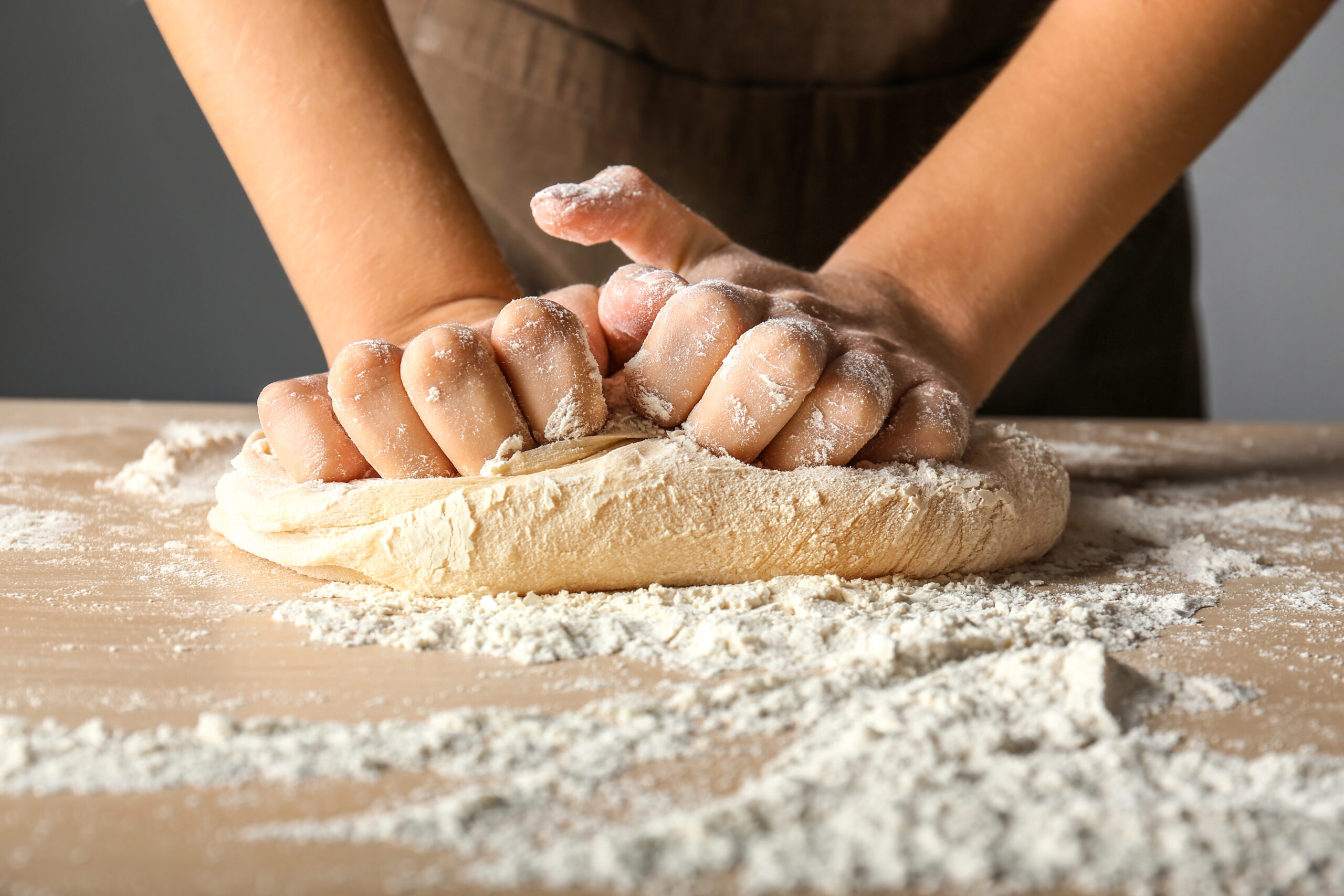
The baker’s hand hovers over the touchscreen at 4:30 a.m.
Eighteen programmable settings. Humidity curves that adjust in real-time. Temperature precision down to half a degree. Three years ago, this same oven had two dials and a mechanical timer that ticked like a countdown.
Some mornings, she misses the simplicity.
Most mornings, she’s grateful for the control.
Because when you’re responsible for two hundred loaves that need to be perfect by 7 a.m., “close enough” isn’t craft—it’s hope. And hope doesn’t scale.
What Precision Actually Protects
Walk into any modern bakehouse, and you’ll find stainless steel where stone once stood. Screens glow where timers used to tick. Every movement, every gram, every degree—perfectly controlled.
Some say it feels clinical. That the hum of machinery has replaced the heartbeat of craft.
But the best technology doesn’t steal the soul of baking—it protects it.
You know what bad equipment feels like. The mixer that slows under load, motor straining because the gears are wearing down inside. You don’t hear it failing—you feel it. Run times stretching longer every week. Dough that should be ready in twelve minutes taking fifteen, then eighteen. You compensate without realizing—smaller batches, longer rests, a rhythm that drifts a little more every day.
By the time you notice, you’ve been working around the problem for months.
Good equipment doesn’t make you a better baker. It makes you more consistent.
That’s what precision actually does: it removes the variables you don’t want so you can focus on the ones you do. The deck oven that remembers yesterday’s bake profile and replicates it precisely today isn’t eliminating judgment—it’s capturing it. Every setting represents a decision you made, tested, refined. The oven just remembers it better than you can at 4:30 a.m. after six days straight.
Precision isn’t the enemy of passion. It’s what keeps passion honest when you’re tired, when you’re training someone new, when the rush hits and there’s no time to think.
The Memory That Lives in Machines
Thirty years ago, consistency lived in the baker’s notebook.
Temperatures, times, adjustments scribbled in margins. “Add five minutes if humid.” “Drop temp 10° for dark rye.” Knowledge built over years, recorded by hand, passed down through apprenticeship.
Now it lives in stored profiles and programmable curves.
Same knowledge. Different format.
The instinct that told you when the dough was ready—that’s still there. You still watch it, still feel it, still make the call. But now when you make that call, the machine remembers it. Next time, it starts from your last best decision instead of from zero.
That’s not surrendering control. That’s compounding it.
The proofer that holds 29°C and 78% humidity without drift? It’s not replacing your judgment about when the dough is ready. It’s eliminating the variables that used to make that judgment harder—the door that got left open, the heating element that cycled unevenly, the morning where everything felt different and you couldn’t figure out why.
Technology may remember, but it still depends on judgment. Behind every setting is still the same question: Does it feel right?
The hands that once adjusted by touch now adjust by numbers. The instinct hasn’t disappeared. It’s just been refined.
When Technology Gets It Wrong
Not all precision serves craft.
Some equipment companies sell “automation” that’s really just removing the baker from the process. Push-button systems that promise identical results without skill, without judgment, without understanding.
That’s not precision—that’s replacement.
You can tell the difference in the result.
Bread made by a baker using precise tools still tastes like a decision was made. You can taste the intention. The crust that’s dark because someone chose dark, not because the machine was set to “default.” The crumb that’s open because someone watched the dough and knew when to stop, not because the timer said twenty minutes.
Bread made by automation alone tastes like a factory. Consistent, sure. Acceptable, maybe. But missing the soul that comes from someone paying attention.
The best equipment doesn’t remove the baker—it amplifies what the baker already knows.
Tools don’t define craft. Discipline does.
And the right tools give discipline room to breathe.
The Language of Tools
Every generation of bakers learns a new language.
The wooden peel gave way to steel. The open flame to steam injection. The mechanical timer to the digital probe.
Each shift was met with resistance. “It’s not the same.” “You lose the feel.” “Real bakers don’t need that.”
And each shift, in time, became the new tradition.
Because what actually matters isn’t the tool—it’s what the tool allows you to do.
The baker who programs a deck oven isn’t surrendering control. They’re speaking a more precise dialect of the same ancient language. The conversation is still about heat, time, steam, crust. The vocabulary just got sharper.
When you set a proofer to hold 80% humidity instead of “somewhere around there,” you’re not losing craft. You’re gaining the ability to replicate Thursday’s perfect bake on Friday, instead of guessing what was different.
That’s not less skill. That’s more.
What Consistency Actually Costs
Here’s the uncomfortable truth about traditional methods: they’re beautiful in small batches and brutal at scale.
The bakery that produces twenty loaves a day by hand, adjusting by feel, tweaking by intuition—that’s craft in its purest form. Romantic. Personal. Unrepeatable.
The bakery that produces two hundred loaves a day can’t run on romance.
Not because romance doesn’t matter. Because two hundred families are expecting bread that tastes the same as last week, and “I was having an off day” isn’t an answer they’ll accept.
Consistency at scale requires systems. It requires precision. It requires technology that holds the line so you can focus on the variables that matter.
That’s not selling out. That’s staying open.
The soul of baking was never in the struggle. It was in the pursuit—the endless refinement, the attention to detail, the respect for process.
If precision helps preserve that pursuit, then the hum of a well-calibrated oven is just another rhythm in the song of craft.
The Quiet Beauty of Systems
There’s something beautiful about a bakehouse where everything works.
The mixer that starts at the same speed every time. The proofer that doesn’t spike when the door opens. The oven that hits target temperature and holds it without drift.
Not because automation is beautiful. Because reliability creates space.
Space to think. Space to experiment. Space to train the new hire without worrying that equipment inconsistency will sabotage their learning.
The best bakers aren’t fighting their equipment. They’re in conversation with it.
Set the curve. Watch the dough. Adjust. Test. Refine. Save the profile. Repeat tomorrow with one variable changed.
That’s not clinical. That’s disciplined creativity.
Precision isn’t about perfection—it’s about trust. The kind of trust that lets you push boundaries because you know the foundation is solid. The kind that lets you train someone new without fear that equipment variance will make them think they’re doing something wrong.
The kind that lets a baker know that if the mind wanders for thirty seconds, the bread won’t.
The Standard That Holds
Technology doesn’t replace the baker. It raises the floor.
The old way—intuition, experience, feel—produced incredible highs and frustrating lows. When everything aligned, the bread was transcendent. When it didn’t, you threw away a batch and tried to figure out what went wrong.
Modern equipment doesn’t eliminate the highs. It eliminates the lows.
It makes Thursday’s perfect bake reproducible on Friday. It makes training faster because the equipment isn’t adding variables. It makes consistency achievable without sacrificing the decisions that give bread its soul.
That’s the promise of precision done right: not to replace judgment, but to honour it. Not to automate craft, but to protect it.
The bakehouse at 4:30 a.m. still requires someone who knows what they’re looking at. Someone who can read dough, adjust on the fly, make the call that separates good from great.
The equipment just makes sure that when that person makes the call, it sticks.
The baker’s hand comes down on the touchscreen. Same profile as yesterday. Proven, tested, refined over six months of daily bakes.
But today she drops the final temperature by two degrees. Just testing. Just refining.
The machine will remember the adjustment. Next week, if it works, it becomes the new standard.
That’s craft and precision working together.
That’s what endures.