

The Stretch Point: Why Growth Breaks More Bakeries Than Failure

Every small bakery lives in a fragile balance.
One skilled baker, maybe a part-timer who comes in three days a week. Margins that breathe only when sales stay steady. Equipment that works until it doesn’t. A schedule built around one person’s capacity to show up, every day, and make it happen.
It’s not comfortable, but it’s stable. You know what you can produce. You know what you can sell. The math works as long as nothing changes.
Then the call comes.
A local hotel wants two hundred croissants every morning. A grocery chain asks about wholesale. A catering company needs someone reliable for weekend events. After years of grinding, someone finally noticed.
You run the numbers. The revenue changes everything. This is the break you’ve been waiting for.
So you say yes.
The Weight of Yes
You hire another baker—someone you have to train, pay, and schedule around. You increase your flour order, your butter order, your packaging. The walk-in that was half-empty is now packed to the walls. The mixer runs twice as long. The oven never cools.
Your costs rise overnight. Payroll doesn’t wait for invoices to clear. Suppliers want payment in thirty days whether the hotel pays you in sixty or not. The cash flow gap that didn’t exist last month is now a hole you’re shovelling money into.
Then the part nobody warns you about.
The hotel cancels two weeks of orders because of a conference that moved. February arrives and retail drops forty percent. The grocery chain delays the launch by a month, but you’ve already staffed up for it.
The costs don’t shrink with the slowdown. They just sit there, bleeding.
What used to be a quiet week—a chance to catch your breath—is now a crisis. You’re covering payroll out of savings. You’re skipping maintenance. You keep paying the new hire even though you can’t afford it—because letting her go means training someone new when orders return.
That’s the trap. You can’t say no to success. But saying yes too fast can bury you under it.
Where Small Bakeries Snap
Contract work changes the math. Steady volume, predictable orders—that’s the promise. The reality is wholesale prices that don’t leave room for error. One bad batch, one missed delivery, and you’re eating the cost.
This is where most small bakeries break—not when they’re failing, but when they’re growing. Caught between too small to scale and too big to pivot.
The jump from fifty loaves to two hundred isn’t just more dough. It’s a different operation. Different timing, different workflow, different pressure on equipment already running at capacity.
You were the baker, the manager, the delivery driver, and the accountant. Now you’re also training staff, managing inventory, fielding calls from buyers who expect professional-grade reliability from a two-person shop.
Something has to give. Usually it’s you. Sometimes it’s the business.
The ones who fail here don’t fail because the product wasn’t good enough. They fail because their systems couldn’t handle success.
The Hidden Cost of Compensation
For years, you compensated. That fifteen-degree drift in the oven? You knew to check it. The humidity spike when the proofer door opened? You adjusted. The mixer that needed coaxing on cold mornings? You had the touch.
But compensation is a luxury of low volume.
When you’re making fifty croissants, you can baby each batch. When you’re making two hundred while training someone new, while taking an order on the phone, while the delivery driver needs the van keys—that’s when the drift becomes a disaster.
Every quirk you’ve learned to work around becomes a point of failure when you can’t be there to catch it. Every adjustment you make by instinct becomes a variable your new hire doesn’t know exists.
Scale doesn’t care about your ability to compensate. It only cares about what happens when you can’t.
What Actually Saves Bakeries
You don’t need equipment that makes you faster. You need equipment that stays consistent when you can’t be everywhere at once.
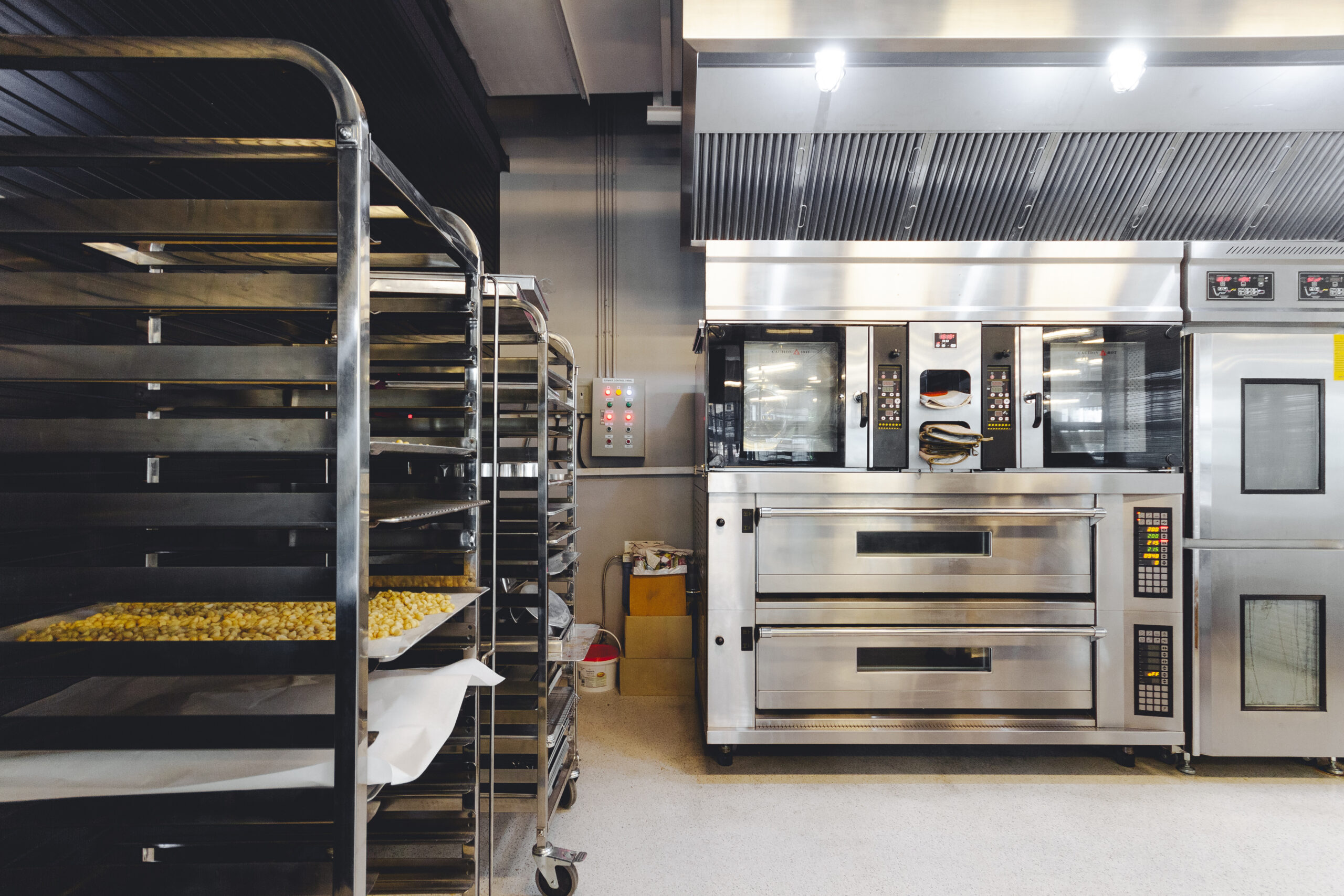
The deck oven that holds temperature without drift. The retarder-proofer that runs the same cycle every night without supervision. The loader that one person can operate safely when everyone else called in sick.
These don’t replace your skill. They replace the uncertainty that multiplies when volume increases and your attention fragments.
Equipment companies love their features. Touch screens. IoT connectivity. Predictive maintenance algorithms. None of that helps when you’re training someone who’s never worked in a bakery before.
What helps is a proofer that doesn’t need babysitting. An oven that holds steady when the door opens fifty times during morning rush. Controls simple enough to explain in ten minutes, reliable enough to trust for ten years.
The real return on the right equipment isn’t efficiency. It’s breathing room.
It’s being able to say yes to growth without calculating how many consecutive days you can work before your body gives out. It’s surviving February without laying off the person you just trained. It’s keeping what you loved about baking while building something that lasts.
The European Lesson
The European bakers figured this out decades ago. Their equipment assumes the operator is skilled but exhausted. That the bakery is busy but understaffed. That consistency matters more than complexity.
They build for bakers who need machines that work as hard as they do, without demanding constant attention. Who understand that “user-friendly” isn’t about features—it’s about removing variables.
Maybe that’s why those bakeries sleep better. Not because they work less hard, but because their equipment doesn’t punish them for growing.
The Choice That Matters
Growth doesn’t have to break small bakeries. But it will—until they find equipment partners who understand the difference between a feature and a lifeline.
The bakery that survives the stretch point isn’t the one with the biggest oven or the smartest controls. It’s the one that chose equipment built by people who’ve been there—who understand that at 4 a.m., alone, with everything riding on the next batch, you need reliability more than innovation.
When you’re finally past the stretch point, looking back at what got you through, you remember the equipment that just worked. Every day. Without drama.
That’s not luck. That’s choosing the right partner before you need them.